Dental Implants
Deciding to get a dental implant is a big step, and we’re here to make the process as smooth and informed as possible. Whether you’re replacing a single tooth or all your teeth, dental implants – especially our revolutionary TEETH ON IMPLANTS® system – offer life-changing benefits for your overall health and confidence.
We understand that navigating all the information about dental implants can feel overwhelming. That’s why we’ve put together a summary of the most important information in a way that is easy to understand. We believe one of the most important factors, when it comes to dental implants, is feeling comfortable with your dentist and knowing all the information upfront, including the cost, timing and any possible complications.
Dr Laura Smit leads our implant services and has undertaken advanced training in implantology, combining the very best equipment with modern protocols in implant surgery.
Overall, dental implants are a safe and effective option for replacing missing teeth and can greatly improve your ability to eat, smile and enjoy life!
Here at White Space Dental we will guide you through your dental implant journey and be with you every step of the way.
Ask a Question
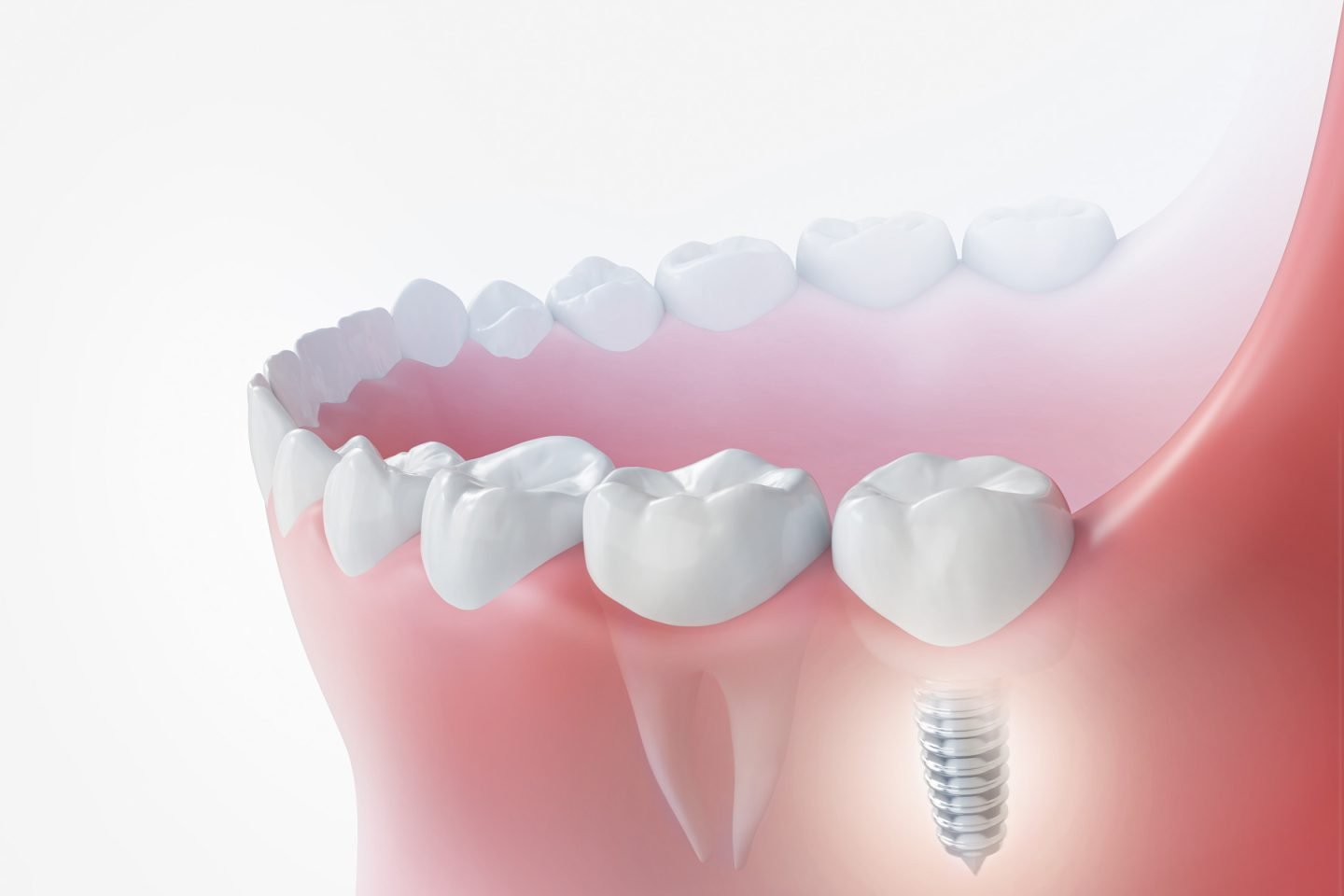
A dental implant is a ‘screw like’ fixture that is placed into the jawbone and acts as a replacement for the root of a missing tooth. The implant is typically made of titanium and is designed to fuse with the jawbone over time, providing a strong and stable base for a replacement tooth or crown.
Once the implant has fused with the jawbone, a dental crown (tooth) is attached to the top of the implant, completing the replacement tooth. Dental implants can be used to replace one or more missing teeth, as well as a full set of teeth on implants. They are a popular alternative to dentures and bridges.
One of the most common questions regarding dental implants is about the success rate of the procedure. Dental implants have a very high success rate, with studies showing that they can be successful in more than 95% of cases.
However, the success of the procedure can depend on a variety of factors, including the overall health of the patient, the quality of the implant, and the experience of the dentist performing the procedure.
Dental implants are designed to be long-lasting, and with proper care and placement they can last for many years, even a lifetime.
Here at White Space Dental we follow strict planning and surgical protocols to ensure that your dental implants last as long as possible, it is important to practice good oral hygiene and to visit your dentist regularly for check-ups and professional cleanings.
Dental implants offer several advantages over traditional tooth replacement options like bridges and dentures. They are a permanent solution that looks, feels, and functions like natural teeth, while also helping to preserve jawbone health and prevent bone loss.
Unlike bridges, implants don’t require treatment of the surrounding teeth, reducing the risk of unnecessary procedures such as root canals or decay. They also enhance comfort, making it easier to eat, speak, and smile with confidence, while improving overall appearance. With proper care, dental implants provide a long-lasting solution to tooth loss. Discover the full benefits here.
The cost of dental implants varies depending on factors like the number of teeth being replaced and whether additional procedures, such as bone or gum grafts, are needed. A single implant with crown typically ranges from $5,500–$6,000, while a full set of teeth on implants can range from $18,500–$30,000 per arch.
Additional costs may apply for grafting, temporary healing teeth, or sedation. Some dental insurance plans may cover part of the cost, and payment plans are available to make treatment more affordable. Full pricing details can be found here.
With modern dentistry, techniques and thorough planning most people can have dental implants placed. In general, dental implants are most successful in individuals who have good general health and sufficient jawbone density to support the implant.
In some cases, individuals with certain medical conditions, such as uncontrolled diabetes or a compromised immune system, may not be suitable candidates for dental implants. Additionally, individuals who have a history of heavy tobacco use or alcohol consumption may be at a higher risk of complications from dental implants.
At White Space Dental we evaluate a person’s oral health and medical history to determine the correct protocol to follow to successfully place dental implants for them.
Getting a dental implant is a multi-step process that usually takes several months. It begins with a consultation and treatment planning, followed by the surgical placement of the implant. The implant then heals and integrates with the jawbone before the final crown, bridge, or denture is attached. Ongoing care and regular check-ups help ensure long-term success. Learn more about the full treatment process here.
Guided implant surgery, is a technique that uses advanced technology to plan and perform dental implant surgery. In this type of surgery, Dr Laura uses specialized software and 3D imaging to create a detailed map of your mouth and jawbones. This information is used to create a surgical guide and plan exactly where to place the implants for the best results.
The guide is used during surgery to ensure that the implants are placed accurately and consistently, which can improve the success rate of the procedure and reduce the risk of complications. Guided implant surgery is quickly becoming the gold standard, to safely and effective perform dental implant surgery, and provides many benefits to the patient and the dentist.
A bone graft is a minor procedure used to rebuild jawbone that has weakened or shrunk after tooth loss, making it strong enough to support a dental implant. The graft material may come from your own body or a substitute material and needs time to heal before the implant is placed. This helps provide a solid foundation and improves the long-term success of dental implants. Learn more here.
While dental implants are a safe and effective way to replace missing teeth, there are a few potential complications that can arise. Some of the most common complications associated with dental implants include infection, nerve damage, sinus issues, and damage to surrounding teeth. In rare cases, the implant may fail to integrate with the jawbone or may become loose, which can require additional surgery to fix.
To minimise the risk of complications, it is important to choose a skilled and experienced dentist for the procedure who can formulate a treatment plan specific to your needs and that you follow their instructions for post-surgical care.
We will provide you instructions on how to prepare for the procedure, which may include scheduling any necessary pre-surgical tests or procedures, such as blood tests, pre medications, or discussions with your GP. It is important to follow the our instructions and to let them know if you have any concerns or questions.
The recovery after a dental implant procedure can vary depending on the individual and the complexity of the case. In most cases, patients can expect some minor swelling and discomfort. You may get bruising in the area around the implant for the first few days after the surgery. We use Pain medication to help manage any discomfort and swelling.
It is important to follow the instructions provided by Dr Laura and her team for post-surgical care, which may include taking antibiotics and avoiding certain foods. Most people can return to their normal activities within a few days, or the next day for simple procedures, but it will take several months for the implant to fully integrate with the jawbone.
We will monitor the healing process and provide any necessary follow-up care. You can contact us any time through your journey, we are always here to help and answer any questions you may have.